Good evidence · Small studies, consistently replicated
After a week of camping with only natural light, people's internal clocks moved about two hours earlier and lined up with sunrise and sunset.
Sun, moon & starlight
Harnessing sun, moon and starlight to reset your circadian wisdom.
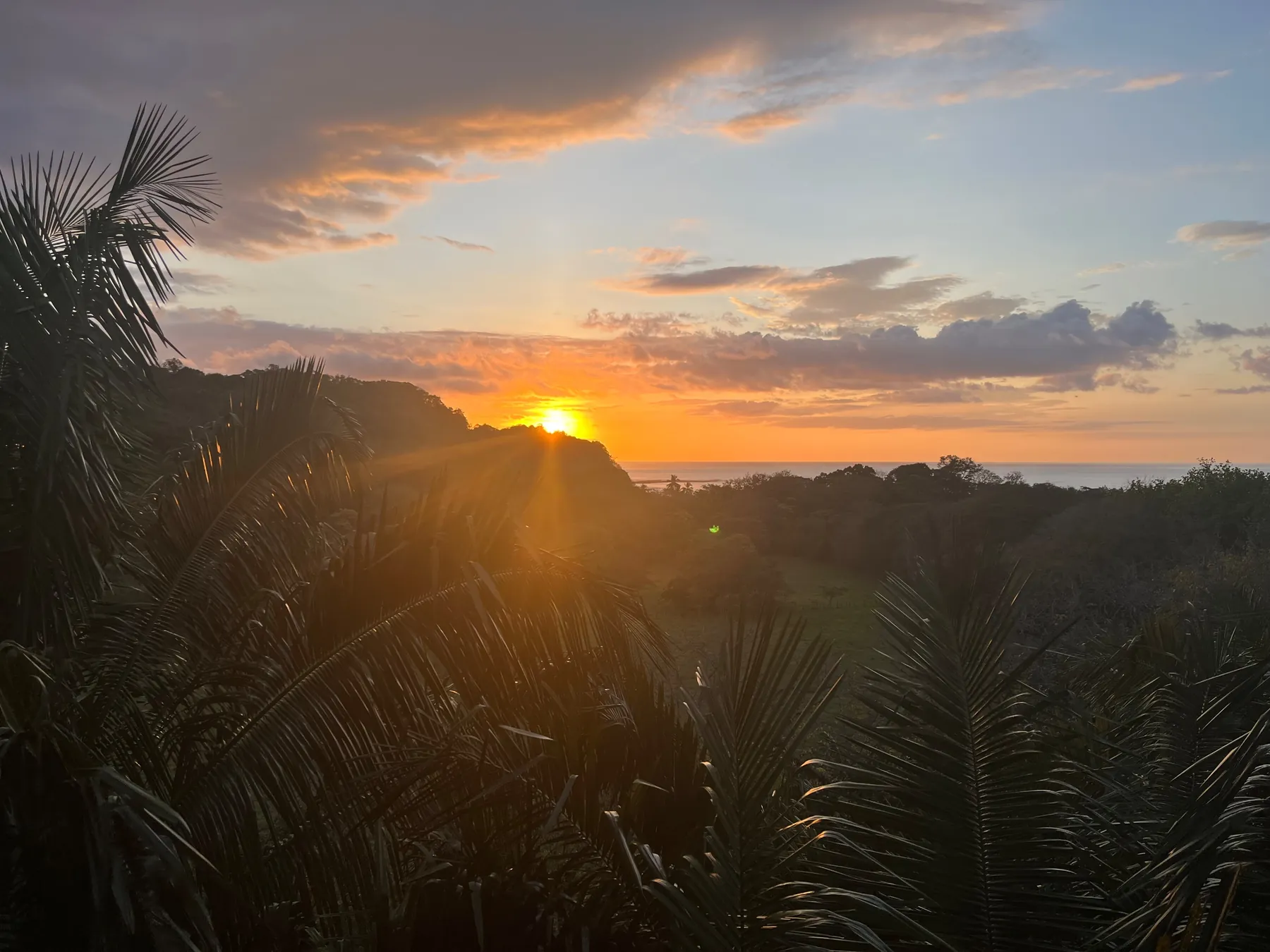
Every cell in your body runs on a clock, and that clock is set by light. For almost all of human history it was set by sunrise, by the long gold of evening, by firelight, moonlight and the dark.
Now most of us wake to the sound of an alarm, turn on lights and screens, and live under the blue spectrum of artificial light. This continues throughout the day. Our natural rhythm and sleep cycle are hijacked by this routine, and we may experience disturbed sleep and waking through the night.
Working with the fire element, we remember how potent a signal natural sunlight is, and we explore practices for bringing more natural light into your days. We also embrace true darkness, the majestic power of the moon and the light of the stars.
Each session evolves around you and typically spans two hours.
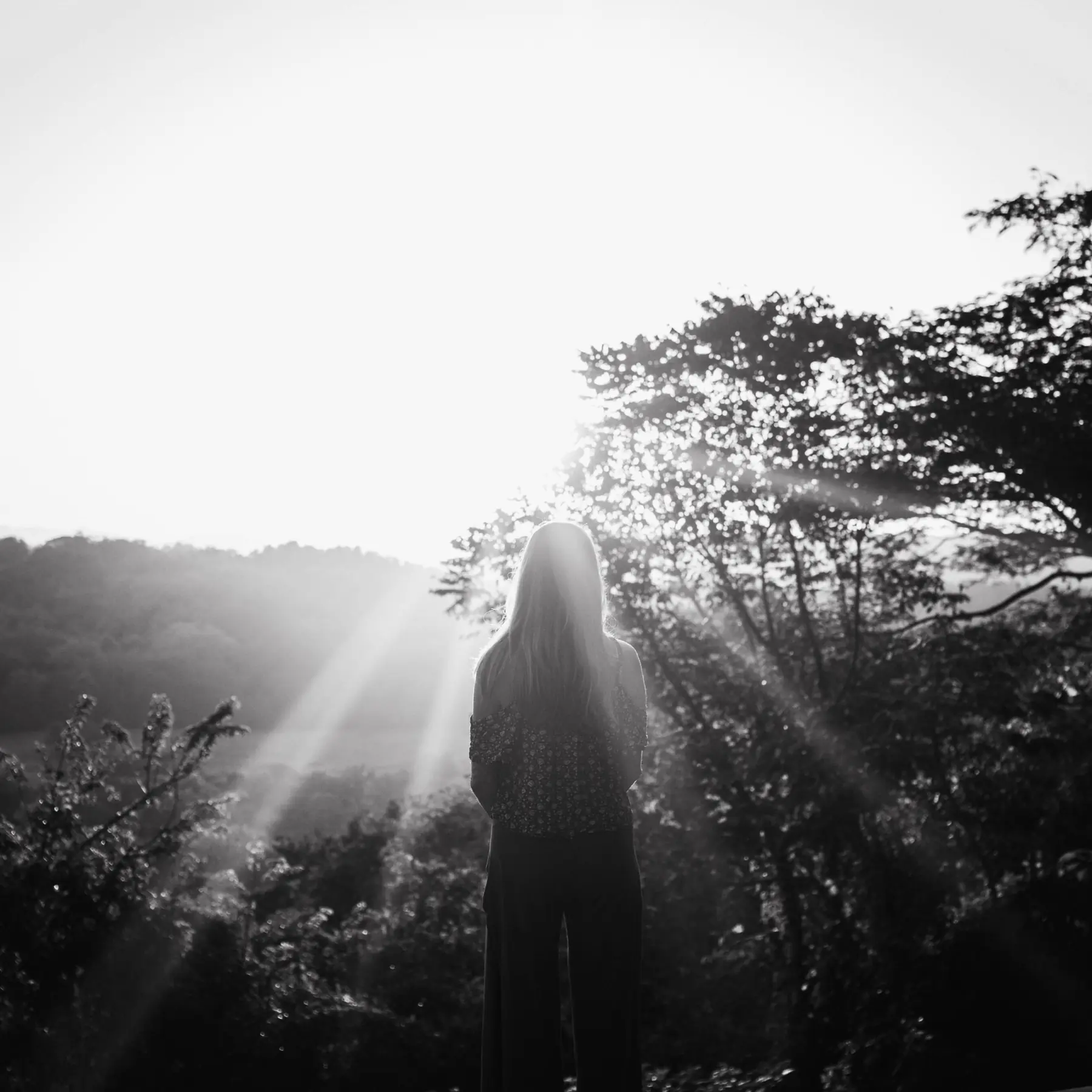
We meet before dawn and take up a vantage point to greet the rising sun. I then guide you through ancient sun-harnessing practices.
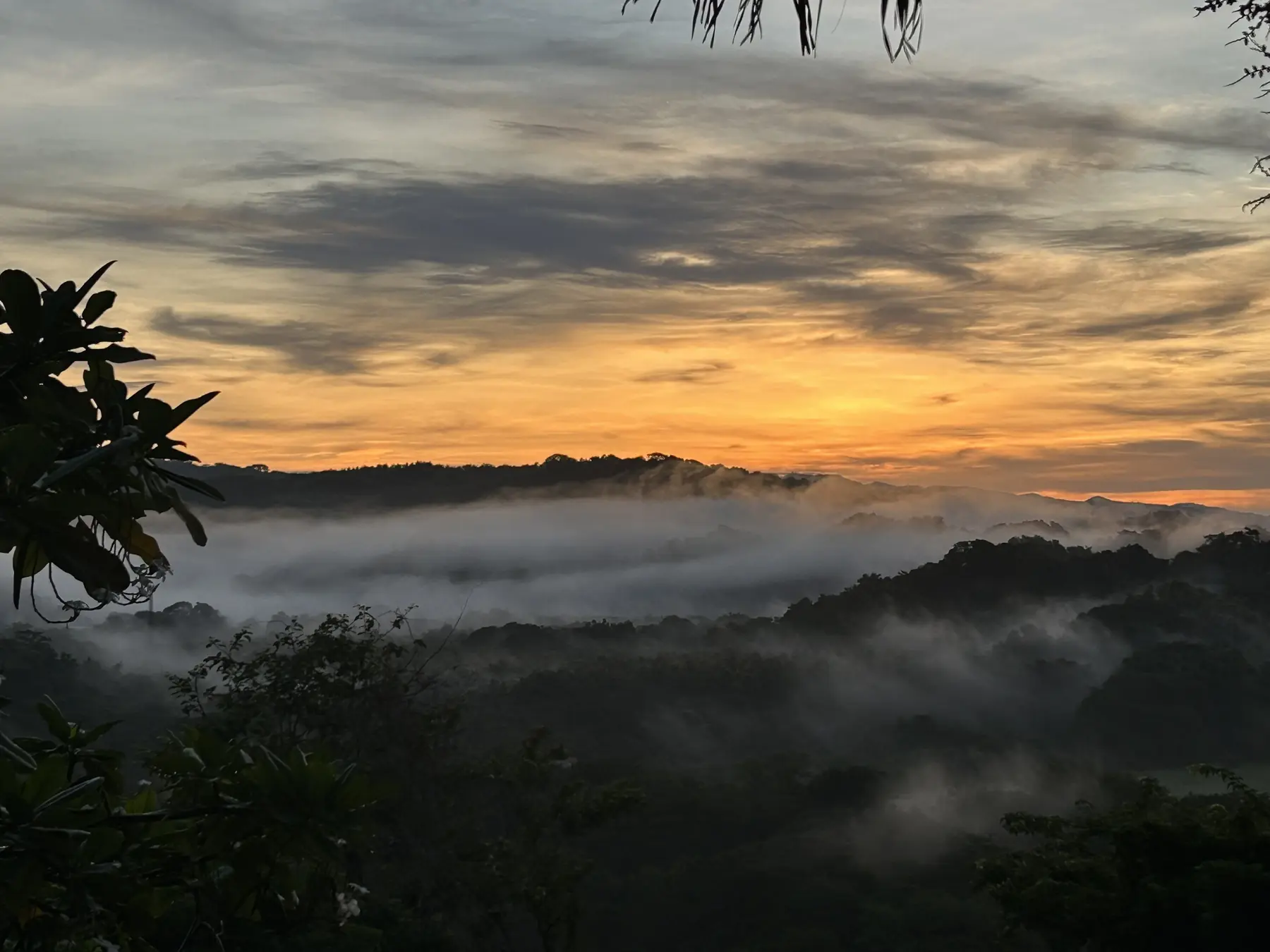
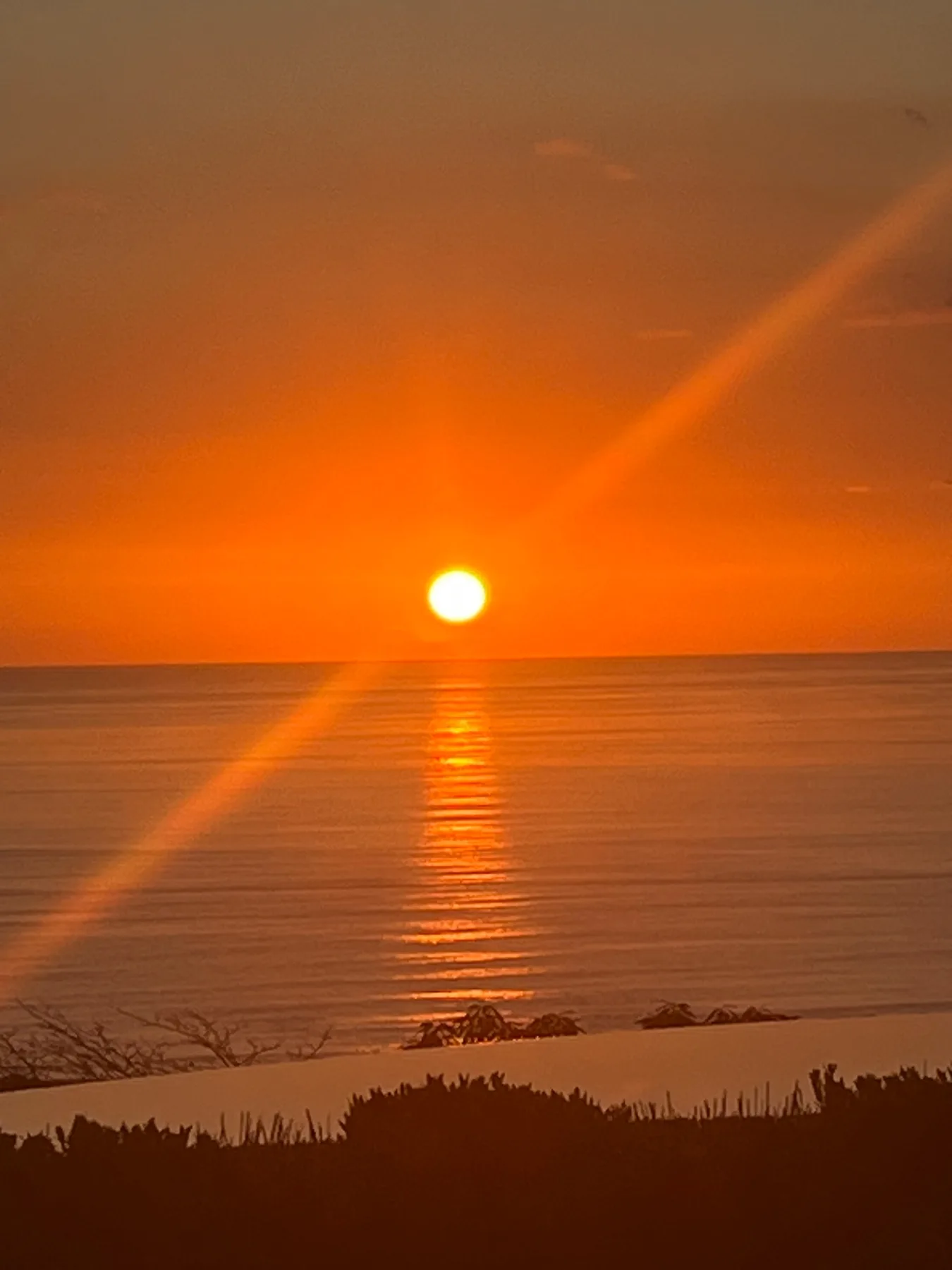
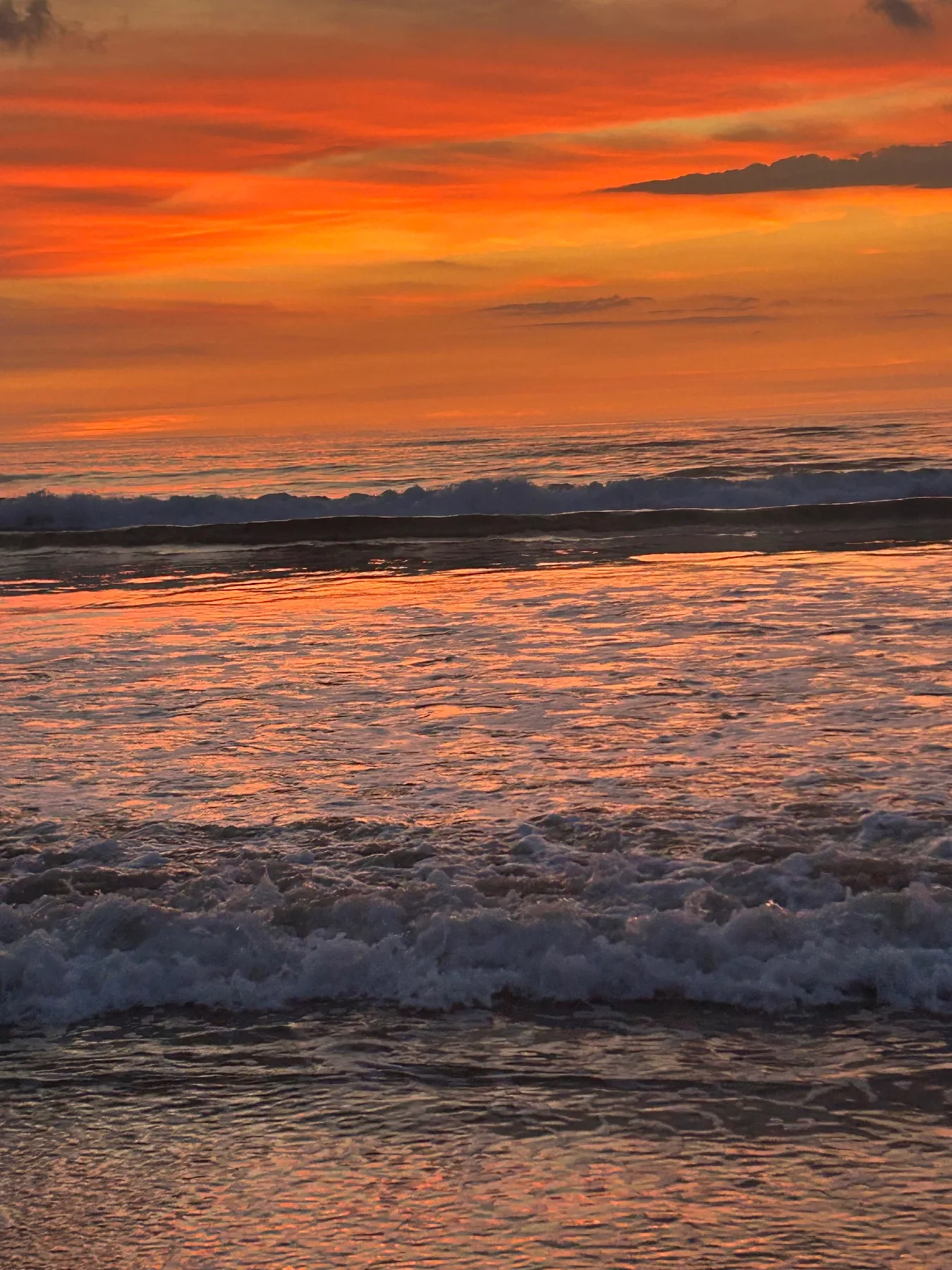
At sunset we keep a silent observation, slipping into a deep state of calm and contemplation as we take in the shifting colours and forms of the skyscape.
Evening practice changes with the phase of the moon and how visible the stars are, but we always take time to appreciate the expanse of the night sky and return to the primal energy of firelight.
Harnessing the deep, peaceful sense of wonder in the night sky.
Tonight's sky, wherever you are
The dark half of the day matters as much as the light. On a Fire evening we sit out under whatever the sky is offering, and let the eyes adjust until the stars come through.
These practices are ancient. The science around them is recent and uneven. Here is what it shows so far, and how much weight each finding can carry.
Good evidence · Small studies, consistently replicated
After a week of camping with only natural light, people's internal clocks moved about two hours earlier and lined up with sunrise and sunset.
Strong evidence · Well established
Ordinary indoor room light in the hours before bed suppressed melatonin in almost every participant and shortened its nightly release by about 90 minutes.
Gooley et al., 2011, Journal of Clinical Endocrinology & Metabolism
Strong evidence · Expert review of a large literature
Light is the main signal that sets the human circadian clock, and its timing affects sleep, alertness and mood.
Promising evidence · Intriguing, still debated
In communities with and without electricity, people went to sleep later and slept less on the nights leading up to a full moon.
Evidence ratings are a plain-language summary of each study's design and size, from early (animal or very small studies) to strong (large reviews of many studies). Follow the links to read the papers yourself.
A practice to try at home
A small taste of the fire work you can do today, wherever you are.
Audio guide coming soon. I'm recording this practice in my own voice, outdoors, so you can be guided through it.
Book Fire
As a single private session, paired with another element, or woven into a private immersion over one to three days.