Strong evidence · Meta-analysis, strong overall
A meta-analysis of 143 studies linked time in green space with lower cortisol, lower heart rate and lower blood pressure.
Forest & plant medicine
Immersion in phytotherapy: forest bathing and the use of medicinal plants.
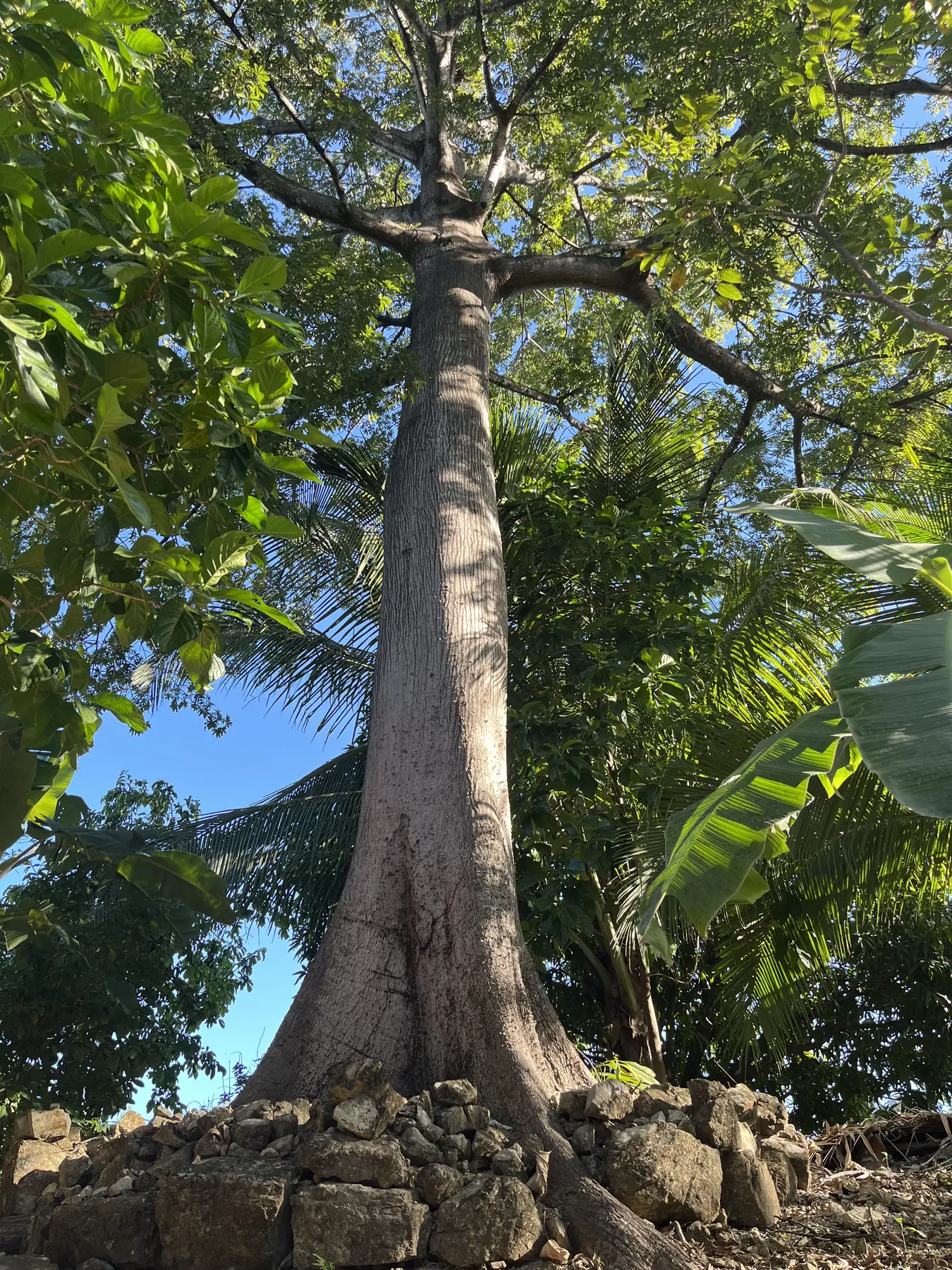
Shinrin-yoku, or forest bathing, is a practice of therapeutic relaxation: spending time in the forest or another natural setting and focusing our senses on connecting with nature.
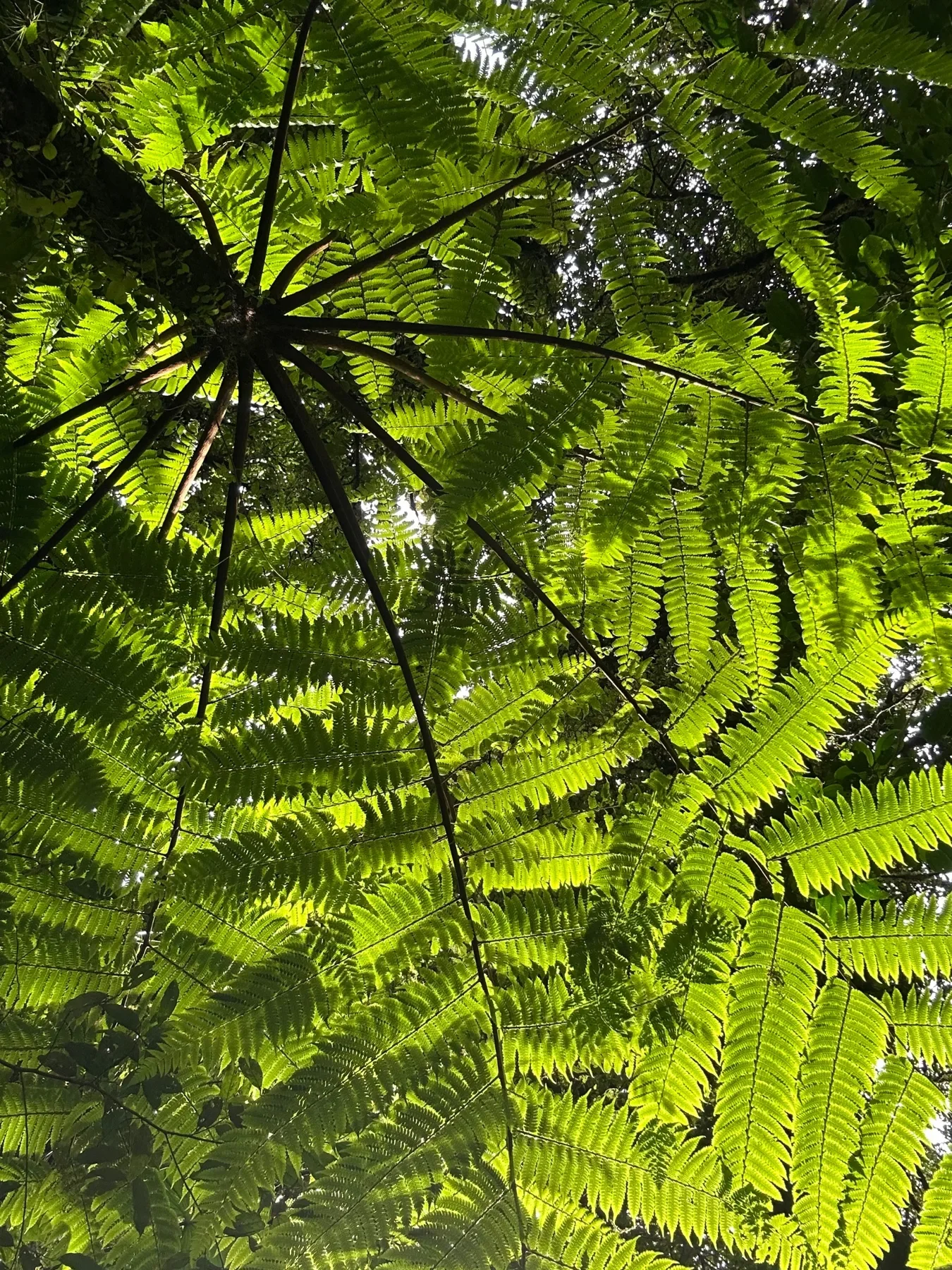
Exposure to the green light spectrum of a forested environment can bring a deep sense of calm, help reduce stress and lift our mood.
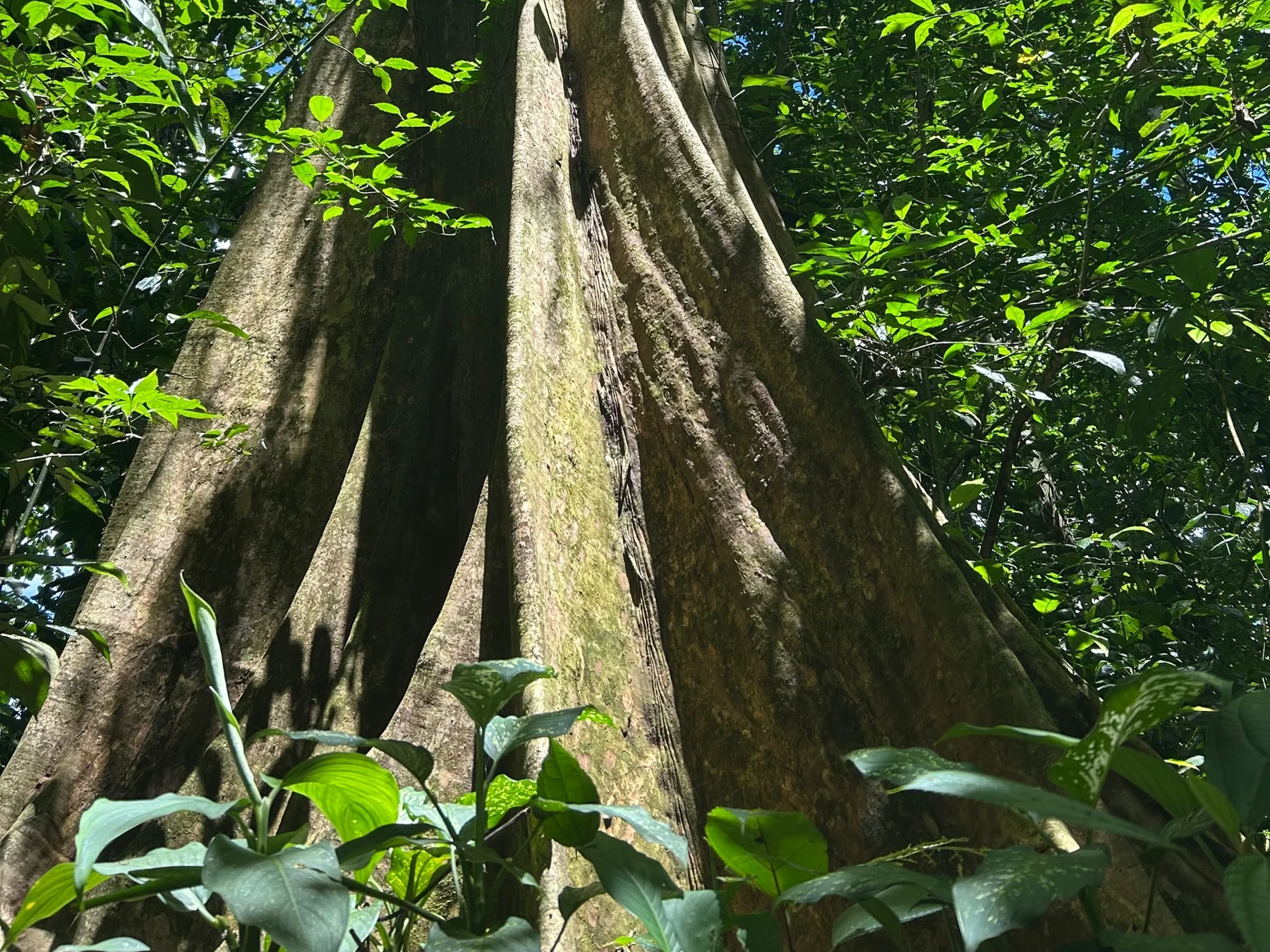
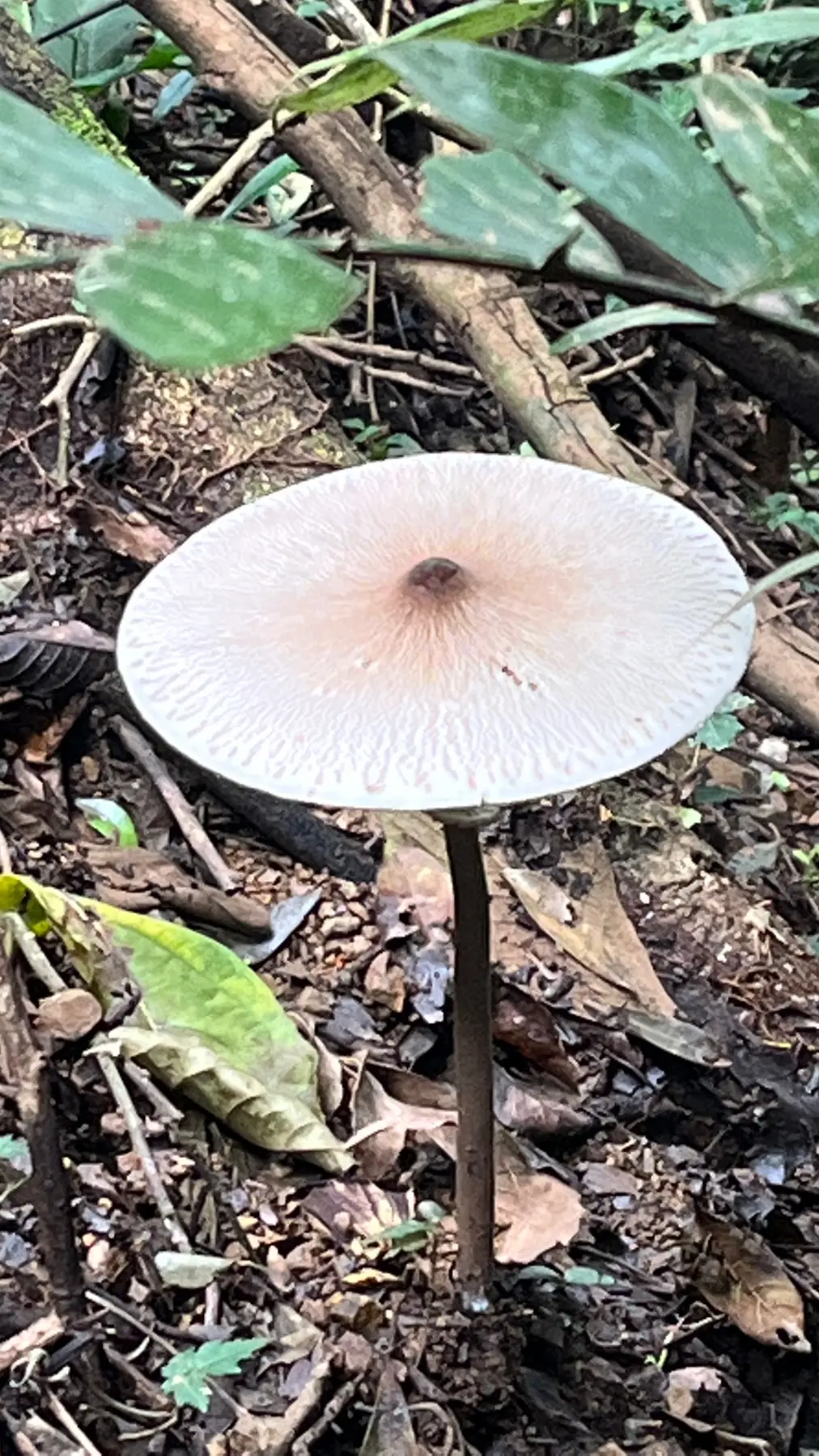
In a Wood session we walk very slowly, often in silence. I'll invite you to touch bark, smell crushed leaves, lie down under a canopy. Then I introduce the plants and fungi I work with: what they are, how people have used them, and how they might support you.
Around two hours, one to one. Every session is shaped around you.
We take a mindful walk along forest trails, dropping into silence.
Invitations to touch, smell, listen and look. There is nothing to achieve and nowhere to get to.
Interpretation and gentle guidance: an introduction to the components of the forest and its cycles.
We explore ways to weave the experience into your everyday life.
These practices are ancient. The science around them is recent and uneven. Here is what it shows so far, and how much weight each finding can carry.
Strong evidence · Meta-analysis, strong overall
A meta-analysis of 143 studies linked time in green space with lower cortisol, lower heart rate and lower blood pressure.
Promising evidence · Promising, small samples
Forest bathing trips raised the activity of natural killer immune cells, with effects lasting days afterwards. Tree-released compounds called phytoncides may play a part.
Good evidence · Large survey, shows association not cause
Among nearly 20,000 people, those who spent at least two hours a week in nature were more likely to report good health and wellbeing.
Promising evidence · Classic study, small sample
Hospital patients whose window looked onto trees recovered faster and needed fewer strong painkillers than those facing a brick wall.
Evidence ratings are a plain-language summary of each study's design and size, from early (animal or very small studies) to strong (large reviews of many studies). Follow the links to read the papers yourself.
A practice to try at home
A small taste of the wood work you can do today, wherever you are.
Audio guide coming soon. I'm recording this practice in my own voice, outdoors, so you can be guided through it.

Book Wood
As a single private session, paired with another element, or woven into a private immersion over one to three days.